
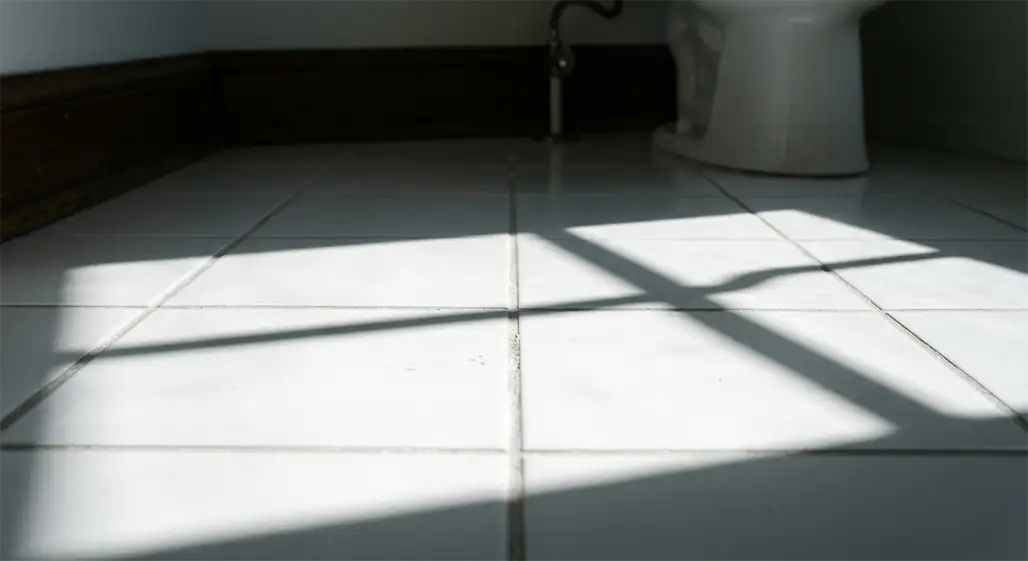
Most people picture a fall as the dangerous part. The impact, the injury, the fracture. But for elderly people living alone, there is a second danger that can be just as serious – and far less talked about. It’s the hours that follow.
A “long lie” is the term used in medicine and aged care for the period an elderly person spends on the floor after a fall, unable to get up and unable to summon help. It is defined as lying on the floor for more than one hour – though in reality, many long lies last far longer. Hours. Sometimes overnight. Occasionally days.
It happens more often than most families realise. Research published in the BMJ found that in a one-year study of adults over 90, 59% were found on the floor at some stage. Of those who fell, 80% were unable to get up independently – and 88% were alone when it happened. Thirty percent lay on the floor for more than an hour.
A long lie is not simply an uncomfortable experience. It is a medical emergency in its own right – one that begins the moment a person hits the floor and compounds with every hour that passes without help.
Table of Contents
Why elderly people can’t get up after a fall
Getting up from the floor is something most people take for granted. For an older person, it can be genuinely impossible – not because of weakness alone, but because of the specific combination of circumstances that surround a fall.
The injury itself may prevent movement. A fractured hip, wrist, or shoulder – common fall injuries in older adults – can make it physically impossible to push up from the floor even with full strength and coordination.
Shock and disorientation are immediate responses to a fall. In the first minutes, many people lie still, trying to understand what has happened. For someone with dementia or cognitive impairment, this confusion may persist.
Muscle weakness and reduced flexibility mean that even an uninjured older person may lack the strength and coordination to push themselves up from a lying position. Research shows that nearly 50% of non-injured fallers living in the community cannot get up without assistance. Women over 90 are six times more likely than younger older adults to be unable to get up from the floor independently.
The location of the fall compounds the problem. Bathroom floors are hard and cold, with little to grip. A fall between the bed and the wall leaves no room to manoeuvre. A fall at the top of stairs is self-explanatory.
The phone is out of reach. This is one of the most common features of a long lie – not that the person couldn’t call for help, but that the phone was in the next room, on the bench, or simply too far away to reach from the floor.
What happens to the body during a long lie
This is the part most people don’t know – and the part that explains why speed of response matters so much.
A long lie is not simply a matter of discomfort and waiting. Within hours, the body begins to experience a cascade of complications that compound the original injury and create new threats to life.
Hypothermia sets in faster than most people expect. Floors – particularly bathroom tiles, timber, and concrete – are cold surfaces. An elderly person lying still on a cold floor, often in nightwear, loses body temperature rapidly. Even in a warm Australian home, hypothermia is a genuine risk for someone who has been lying still for several hours, particularly overnight.
Pressure injuries develop when the same area of skin is compressed against a hard surface for an extended period. Within two to four hours on a hard floor, skin and underlying tissue can begin to break down – particularly over bony prominences like the hip, shoulder, and heel. These injuries can be slow to heal and prone to infection.
Dehydration begins immediately. An elderly person lying on the floor cannot access water, and older adults are already at higher risk of dehydration due to reduced thirst sensation, medication effects, and kidney changes. Dehydration compounds confusion and weakness, making self-rescue increasingly unlikely as time passes.
Rhabdomyolysis – the breakdown of muscle tissue – is a serious and underappreciated complication of long lies. When muscles are compressed against a hard floor for extended periods, muscle fibres die and release their contents into the bloodstream. This can lead to acute kidney injury and, in severe cases, kidney failure. It is one of the reasons why a person who appeared unhurt after a fall can become seriously unwell in the days that follow.
Pneumonia is a risk that increases significantly with time on the floor. Cold, shallow breathing, and the aspiration of stomach contents – which can occur if the person vomits while lying down – all increase the risk of chest infection. For an elderly person, pneumonia following a long lie can be life-threatening.
Psychological trauma is a consequence that outlasts the physical recovery. Fear of falling again is one of the most debilitating outcomes of a fall – and a long lie intensifies this fear profoundly. Many older adults who have experienced a long lie become reluctant to move freely around their home, restrict their activities significantly, and lose confidence in their own body. This loss of confidence is itself a fall risk factor, and a driver of early transition to residential care.
The statistics reflect how serious these consequences are. A study of 125 adults aged over 65 found that half of those who lay on the floor for more than one hour went on to die within the following six months – even without a direct injury from the fall itself. Long lies of more than an hour are associated with repeated falls, hospital admissions, and long-term care placement.
Why a long lie is especially likely for elderly people living alone
The risk of a long lie is not evenly distributed. It is concentrated among older people who are alone when they fall – which, given that 1 in 4 Australians aged 65 and over lives alone, is a very large group.
When there is someone else in the home, a fall is typically discovered quickly. A partner hears the impact. A carer finds them. A family member calls out and gets no answer. The response, while imperfect, tends to be measured in minutes.
When a person lives alone, discovery depends entirely on external contact – a family member calling, a neighbour noticing something unusual, a home care worker arriving for a scheduled visit. The gap between the fall and the discovery is measured in hours or days, depending on how frequently contact occurs.
The timing of the fall compounds this. Falls at night and in the bathroom – two of the highest-risk scenarios – are precisely the times and places where discovery is most delayed. A person who falls at 2am while going to the toilet may not be found until their usual morning call goes unanswered, many hours later.
There is also the problem of the plan that fails. Many families take comfort in a daily check-in call. But as one Canadian aged care provider noted bluntly: if your parent falls shortly after your usual noon call, they could be on the floor until you call again the following day. A check-in plan provides reassurance, not protection. It tells you something has gone wrong; it does nothing to prevent or shorten the lie itself.
The pendant problem
The conventional response to fall risk is a personal alarm pendant – a button worn around the neck that, when pressed, sends an alert for help. Pendants have genuine value and remain an important part of home safety for elderly Australians.
But a pendant only works if the person presses it. And the scenarios most likely to produce a long lie are precisely the scenarios in which pressing a pendant is least likely to happen.
A person who falls in the bathroom and loses consciousness cannot press a button. A person with dementia who falls in the night may not remember what the button is for. A person who falls while getting out of the shower is not wearing their pendant. A person who falls and strikes their head may be too confused in the critical first minutes to activate any device.
Research consistently finds that pendant compliance is lower than families assume. Studies show that 50% of people stop using wearable devices within a year of getting them. Among people over 90, 80% of falls happen when the person is alone – and the pendant is frequently not being worn.
This is not a criticism of pendants – they save lives. It is an acknowledgement that a pendant alone is not sufficient protection against a long lie for an elderly person living alone.
What actually reduces long lie risk
Reducing the risk of a long lie requires two things: reducing the risk of a fall in the first place, and ensuring that if a fall does happen, it is detected quickly regardless of whether the person can call for help.
Reducing fall risk involves a combination of home modifications, exercise programs, medication review, and vision correction – areas where a GP, physiotherapist, or occupational therapist can provide personalised advice. The Australia and New Zealand Falls Prevention Society (ANZFPS) has detailed resources for families and clinicians on evidence-based falls prevention.
Ensuring rapid detection is where technology plays its most important role. The options available to Australian families include:
Pendant alarms with fall detection – devices that automatically detect a fall through accelerometer technology and send an alert without requiring the person to press anything. These are significantly more protective than standard pendants, particularly for falls that result in unconsciousness or confusion. Safe-Life supplies 4G GPS pendants with fall detection that work across Australia on the Telstra network.
Passive home monitoring sensors – ceiling or wall-mounted sensors that detect movement, identify a fall, and monitor inactivity patterns throughout the day and night. These require nothing from the person being monitored. A fall detection sensor installed in the bathroom – the highest-risk room in the home for older adults – detects a sudden collapse and immediately alerts family members through an app, even if the person is unconscious and nowhere near a pendant.
Passive monitoring is particularly relevant for the long lie because it addresses the specific failure mode that pendants cannot: the fall that happens when the person is alone, at night, in the bathroom, not wearing their device, or unable to activate it. The sensor does not care whether the person is conscious, whether they remember to press a button, or whether they went to bed wearing their alarm. It simply watches, and responds when the pattern of movement indicates something has gone wrong.
Lola is an Australian passive home monitoring system launching in 2026, designed specifically for elderly people living independently. The Lola system includes a fall detection sensor, motion sensors, door sensors, and a waterproof bathroom button, all connected through a central gateway and managed via a smartphone app. When a fall is detected or unusual inactivity is observed, nominated family members receive an immediate alert. A built-in speakerphone allows two-way communication directly into the home. Lola uses no cameras and no audio recording.
Register your interest at lolaapp.com.au
If someone you know has had a long lie
If an elderly person has experienced a long lie, the medical assessment matters beyond the obvious injury. Even if they seem physically unhurt, a GP or emergency department should assess for:
- Rhabdomyolysis (blood and urine tests for muscle breakdown markers)
- Dehydration and electrolyte imbalance
- Hypothermia (core body temperature)
- Pressure injuries, including areas that may not yet be visibly damaged
- Cognitive changes that may indicate a head injury or delirium
In the days following a long lie, close monitoring is important. Rhabdomyolysis and pneumonia can develop or worsen in the 24 to 72 hours after the event. Any change in mental state, urine output, breathing, or skin condition warrants prompt medical attention.
The psychological impact also deserves attention. Fear of falling following a long lie is real and debilitating, and can significantly restrict an older person’s activity and independence if not addressed. A referral to a physiotherapist experienced in falls prevention can help rebuild confidence alongside physical strength.
Having the conversation before it happens
The long lie is the argument for acting before a fall occurs, not after one. The injuries from a fall can be treated. The hours spent on the floor cannot be undone.
For families with an elderly parent living alone, the question worth sitting with is: if my parent fell right now, in their bathroom, at 3am, how long would it be before anyone knew? And what would happen to their body in that time?
If the honest answer involves hours – or the next morning, or whenever someone happened to call – that gap is worth closing. Not because a fall is inevitable, but because the cost of a long lie, if one does happen, is severe enough to justify acting while everything is still fine.
Frequently asked questions
What is a long lie in elderly care? A long lie is when an elderly person falls and is unable to get up or summon help, remaining on the floor for an extended period – usually defined as more than one hour. It is most common among older people living alone, and carries serious risks including hypothermia, pressure injuries, dehydration, muscle breakdown, and pneumonia.
How common are long lies in elderly people? Long lies are more common than most families realise. Research shows that in a study of adults over 90, 80% of those who fell were unable to get up independently, and 30% lay on the floor for more than an hour. A broader review found that long lies represent 30% of falls when accounting for individuals rather than fall events.
How dangerous is a long lie? Very. A study found that half of elderly people who lay on the floor for more than one hour went on to die within the following six months, even without a direct injury from the fall. Long lies are independently associated with hospital admission, long-term care placement, and repeated falls.
What are the physical complications of a long lie? Complications include hypothermia, pressure injuries, dehydration, rhabdomyolysis (muscle breakdown that can cause kidney failure), pneumonia, and acute kidney injury. Psychological complications include severe fear of falling that can restrict activity and independence long after physical recovery.
How can a long lie be prevented? Reducing fall risk through home modifications, exercise, medication review, and vision correction is the first step. Ensuring rapid detection if a fall does occur is the second – through fall-detection pendants and passive home monitoring sensors that alert family members automatically, without requiring the person to press a button.
Can a fall detection sensor detect a long lie? Yes. Passive fall detection sensors installed in the home – particularly in high-risk areas like bathrooms – detect a sudden collapse and send an immediate alert to family members or carers, even if the person is unconscious or unable to activate a pendant. Inactivity monitoring provides a secondary layer: if no movement is detected for longer than expected, an alert is sent.
About the author
Rory Piper is a Melbourne-based writer and assistive technology specialist at Safe-Life Australia, a leading provider of falls prevention alarms and personal safety devices. He creates evidence-based guides on falls prevention, home monitoring, NDIS assistive technology, personal alarms and independent living for older Australians. Rory’s articles are widely read by carers, occupational therapists, aged care staff and families who need practical advice on keeping people safe at home, in hospitals and in residential care.
References and further reading
- Fleming, J. (2008). Inability to get up after falling, subsequent time on floor, and summoning help: prospective cohort study in people over 90. BMJ, 337, a2227. doi.org/10.1136/bmj.a2227
- Sousa, L.M.M., et al. (2022). Exploring the impact of experiencing a long lie fall on physical and clinical outcomes in older people requiring an ambulance: A systematic review. International Emergency Nursing, 61, 101144. doi.org/10.1016/j.ienj.2022.101144
- Australian Institute of Health and Welfare (2022). Falls in older Australians 2019-20: hospitalisations and deaths among people aged 65 and over. AIHW, Australian Government. aihw.gov.au
- Australia and New Zealand Falls Prevention Society. Info about falls. anzfallsprevention.org
- Zieni, B., Ritchie, M.A., Mandalari, A.M., & Boem, F. (2025). An Interdisciplinary Overview on Ambient Assisted Living Systems for Health Monitoring at Home: Trade-Offs and Challenges. Sensors, 25(3), 853. doi.org/10.3390/s25030853
Published by Lola App – Alerting Devices Australia P/L T/A Safe-Life, 5/270 Lower Dandenong Rd, Mordialloc VIC 3195. NDIS Provider Number: 4050109546.